
Pickleball Blog | Training Tips, Paddle Reviews & Strategies
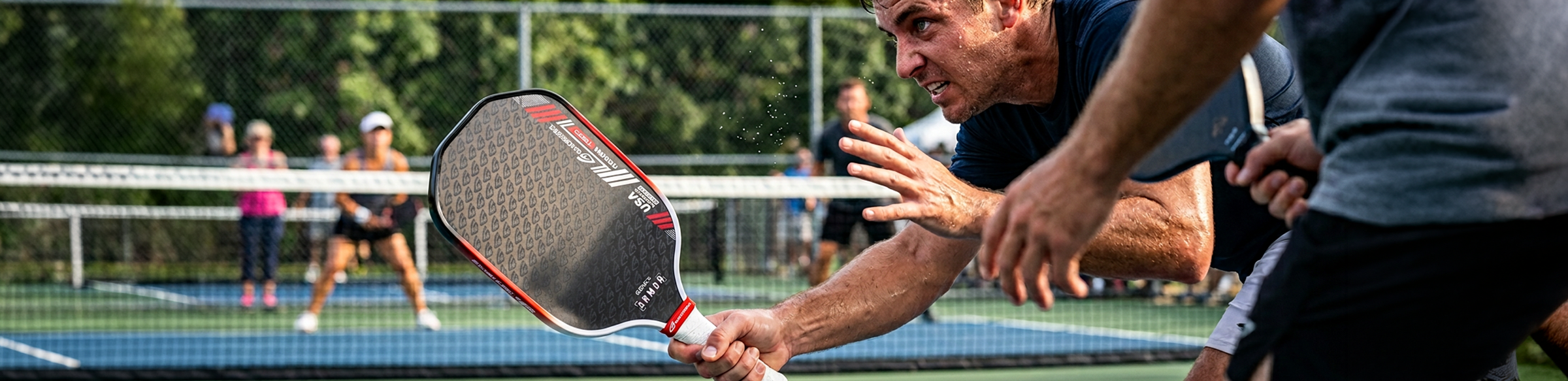

Smart Pickleball Is Here: How AI and Sensors Are Changing Player Development
Not long ago, improving at pickleball meant relying on repetition, instinct, and the occasional piece of advice from a more experienced player. Progress came through hours on the court and a gradual understanding of timing, positioning, and touch. While that foundation still matters, a new layer has been added to the game. Technology is now stepping in to accelerate learning in ways that were once unimaginable. Smart pickleball has arrived, and it is reshaping how players train, analyze their performance, and ultimately improve. With the integration of artificial intelligence and sensor-based tools, development is becoming more precise, more personalized, and far more efficient. The Rise of Data Driven Training At the heart of this shift is data. Modern pickleball tools are no longer limited to basic tracking. Today’s systems can capture detailed information about every aspect of a player’s performance, from swing speed and paddle angle to shot placement and spin rate. Sensors embedded in paddles or attached as lightweight accessories record real time metrics during play. Cameras and computer vision systems analyze movement patterns, footwork efficiency, and shot selection. Artificial intelligence then processes this data, turning it into clear insights that players can actually use. Instead of guessing what went wrong during a rally, players can now see it. A missed third shot drop is no longer just a mistake. It becomes a measurable moment with specific feedback on timing, paddle position, and trajectory. Real Time Feedback That Speeds Up Improvement One of the most powerful advantages of smart technology is immediacy. Traditional coaching often relies on delayed feedback. A player might finish a session before fully understanding what needs to change. AI driven tools close that gap. Many systems provide instant feedback after each shot or rally. Players can adjust their technique on the spot, reinforcing good habits and correcting errors before they become ingrained. This real time loop creates a more efficient learning process. Small adjustments compound quickly, allowing players to progress faster without necessarily increasing their training hours. For beginners, this means building a solid foundation from the start. For advanced players, it offers the precision needed to refine already developed skills. Personalized Coaching Without Limits Every pickleball player has a unique style, set of strengths, and areas for improvement. Traditional coaching can be highly effective, but it is often limited by time, availability, and cost. AI powered platforms bring a new level of accessibility to personalized coaching. By analyzing individual performance data, these systems generate tailored recommendations that align with each player’s needs. A player who struggles with consistency at the kitchen line might receive targeted drills focused on control and soft touch. Another player looking to add power to their drives could get feedback on swing mechanics and timing. The result is a customized development plan that evolves as the player improves. It is like having a coach that learns alongside you and adapts continuously. Smarter Practice Sessions Practice is only as valuable as its structure. Hitting balls without a clear objective can lead to slow or uneven progress. Smart pickleball tools help eliminate that inefficiency by guiding players toward more purposeful training. Drill suggestions are often based on actual performance data. If a player’s backhand return is inconsistent, the system can recommend specific exercises to address that weakness. Progress is tracked over time, making it easy to see whether those drills are producing results. This level of structure transforms practice sessions into focused, goal oriented experiences. Players spend less time wondering what to work on and more time making meaningful improvements. Understanding Patterns and Strategy Beyond mechanics, smart technology is also changing how players approach strategy. AI systems can analyze patterns across multiple games, identifying tendencies that may not be obvious in the moment. For example, a player might discover that they consistently struggle against cross court dinks or tend to favor one side of the court under pressure. These insights allow for more informed decision making during matches. Opponents can also be studied in a similar way. As data collection becomes more advanced, players can prepare for matches with a clearer understanding of their competition’s habits and preferences. This analytical edge is something that was once reserved for elite athletes. Now, it is becoming accessible to everyday players. Bridging the Gap Between Amateur and Pro One of the most exciting aspects of smart pickleball is how it is narrowing the gap between amateur and professional training methods. High level players have long relied on detailed analysis and coaching to refine their performance. Technology is now bringing those same tools to a broader audience. Amateur players can train with a level of precision that was previously out of reach. They can measure progress objectively, set realistic goals, and make adjustments based on evidence rather than intuition alone. This democratization of advanced training is raising the overall level of play across the sport. As more players adopt these tools, the game itself continues to evolve. The Human Element Still Matters While the benefits of AI and sensors are undeniable, they do not replace the human side of pickleball. Feel, creativity, and adaptability remain essential. Technology provides guidance, but it is the player who interprets and applies that information on the court. Coaches also continue to play a vital role. Their experience, perspective, and ability to motivate cannot be replicated by algorithms alone. Instead, smart tools serve as a complement to traditional coaching, enhancing the learning process rather than replacing it. The most effective approach combines both elements. Data driven insights paired with human intuition create a well rounded path to improvement. Looking Ahead As technology continues to advance, the capabilities of smart pickleball tools will only expand. More refined sensors, improved AI models, and seamless integration with everyday training routines are on the horizon. We can expect even deeper insights into player performance, more immersive training experiences, and tools that feel increasingly intuitive to use. The line between practice and analysis will continue to blur, making development a continuous and integrated process. Final Thoughts Smart pickleball is not just a trend. It represents a meaningful shift in how players learn and grow within the sport. By combining artificial intelligence with sensor technology, the game is becoming more accessible, more analytical, and more engaging. For players at every level, this opens up new possibilities. Improvement no longer depends solely on time spent on the court. It is driven by how effectively that time is used. In a sport built on precision, timing, and strategy, having the right insights can make all the difference. Smart pickleball is giving players those insights, and in doing so, it is changing the future of player development.
Learn more
The Foam Core Revolution: Why 2026 Paddles Feel Completely Different
Pickleball players have always been quick to notice even the smallest change in equipment. A slightly grippier surface, a marginally thicker core, or a subtle shift in balance can transform how the ball comes off the paddle. In 2026, however, the change is anything but subtle. Step onto the court with a modern paddle and the difference is immediate. The feel is softer yet more responsive, the control more intuitive, and the power more accessible. At the center of this transformation is one defining innovation: foam core construction. What began as an experimental concept has quickly become one of the most talked about developments in the sport. To understand why today’s paddles feel so different, it is worth exploring how foam cores are reshaping performance from the inside out. From Honeycomb to Foam: A Quiet Shift with Big Impact For years, polymer honeycomb cores dominated pickleball paddle design. They offered a reliable balance of control, durability, and cost efficiency. Players grew accustomed to the crisp, sometimes rigid feel that these cores produced. Foam cores introduce a completely different internal structure. Instead of hollow cells, these paddles use dense or strategically injected foam materials that create a more uniform and consistent interior. This shift may sound technical, but the effect is immediately noticeable in play. The ball stays on the paddle face just a fraction longer. That slight increase in dwell time gives players a heightened sense of control, especially during soft shots like dinks and resets. At the same time, the foam compresses and rebounds in a way that generates smooth, controlled power rather than sharp, unpredictable pop. The result is a paddle that feels more connected to the player’s intent. Enhanced Feel and Control Without Sacrificing Power One of the biggest misconceptions about softer paddle cores is that they reduce power. In reality, foam core technology is redefining how power is delivered. Traditional paddles often rely on stiffness to create explosive shots. Foam cores take a different approach by distributing energy more evenly across the paddle face. When the ball makes contact, the foam absorbs and then returns energy in a controlled manner. This creates a sensation that many players describe as “effortless power.” Control is where foam cores truly shine. Because the material dampens excessive vibration, players experience a cleaner and more stable feel at contact. Off center hits remain forgiving, and touch shots become easier to execute with precision. This balance between power and control is what makes foam core paddles stand out. Instead of forcing players to choose one or the other, they offer a more complete performance profile. A Larger Sweet Spot and More Forgiveness Another major advantage of foam core construction is the expansion of the sweet spot. In traditional paddles, the sweet spot is often concentrated in a smaller central area. Miss it by a few millimeters and the feedback can feel harsh or inconsistent. Foam cores help distribute that sweet spot across a wider portion of the paddle face. This is particularly beneficial during fast exchanges at the kitchen line, where reaction time is limited and precision is critical. Players who switch to foam core paddles often notice fewer mishits and more consistent results, even under pressure. It is a subtle confidence boost that can make a meaningful difference over the course of a match. Vibration Dampening and Player Comfort Comfort is an underrated aspect of paddle design, but it becomes increasingly important as players spend more time on the court. Repetitive impact and vibration can lead to fatigue or even strain over time. Foam core paddles naturally absorb more vibration than traditional honeycomb structures. This creates a softer, more muted feel that reduces stress on the hand, wrist, and elbow. For players who have experienced discomfort or are simply looking for a smoother playing experience, this feature alone can be a game changer. The quieter sound profile of foam paddles is another bonus. As noise concerns continue to grow in residential areas, manufacturers are paying closer attention to acoustic performance. Foam cores help produce a more subdued sound without compromising playability. Innovation Meets Adaptability What makes the foam core revolution particularly exciting is its versatility. Manufacturers are not limited to a single type of foam or construction method. Different densities, layering techniques, and hybrid designs allow brands to fine tune how a paddle performs. Some paddles emphasize a plush, control oriented feel, ideal for strategic players who rely on placement and patience. Others incorporate firmer foam blends that deliver added pop while maintaining stability. There is no one size fits all solution, which means players have more options than ever to match their style of play. This adaptability is driving rapid innovation across the industry. Paddle design is no longer about incremental upgrades. It is about rethinking the foundation of performance. What This Means for Players For beginners, foam core paddles offer a more forgiving entry point into the game. The larger sweet spot and improved control can accelerate learning and build confidence early on. Intermediate players benefit from the added consistency and versatility. Whether transitioning from defense to offense or refining touch shots, the paddle becomes a more responsive tool. Advanced and competitive players are discovering new levels of precision and efficiency. The ability to generate controlled power and maintain stability during fast paced rallies opens the door to more dynamic play. In short, foam core technology is not just changing how paddles are built. It is influencing how the game itself is played. The Future of Paddle Design The rapid rise of foam core paddles suggests that this is more than a passing trend. As materials continue to evolve and manufacturers refine their techniques, we can expect even more sophisticated designs in the coming years. Hybrid constructions that combine foam with other core elements are already emerging. Surface technologies are being optimized to complement the unique feel of foam interiors. The pace of innovation shows no signs of slowing down. For players, this is an exciting time. The tools available today are more advanced, more adaptable, and more player focused than ever before. Final Thoughts The foam core revolution represents a fundamental shift in pickleball paddle design. By replacing traditional structures with more responsive and forgiving materials, manufacturers have created paddles that feel distinctly different in the best possible way. What stands out is not just the technology itself, but the experience it delivers. A smoother connection with the ball, greater confidence in every shot, and a playing style that feels more natural and controlled. For anyone who has not yet tried a foam core paddle, stepping onto the court with one can feel like
Learn more
Beginner to Confident: Building Consistency in Your Pickleball Game
There is a moment in every pickleball player’s journey when the game shifts. What once felt chaotic begins to settle. Rallies last longer, shots land with more intention, and confidence quietly replaces hesitation. That turning point is not about mastering advanced techniques. It is about building consistency. Consistency is the true foundation of a strong pickleball game. It allows you to stay in points longer, make smarter decisions, and apply pressure without forcing mistakes. For beginners, developing this skill is less about talent and more about understanding a few key principles and practicing them with purpose. What Consistency Really Means Consistency is often misunderstood as simply keeping the ball in play. While that is part of it, true consistency goes deeper. It is the ability to repeat reliable shots under varying conditions. It is knowing where your paddle will be at contact, how your body will move, and what type of shot you can trust in any situation. Research in motor learning shows that repetition with proper technique builds neural pathways that make movements more automatic over time. In pickleball, this means that consistent players are not thinking through every detail mid rally. Their fundamentals are ingrained, allowing them to focus on strategy and anticipation. The Role of Simplicity in Early Progress One of the biggest obstacles beginners face is overcomplication. It is tempting to try spin serves, aggressive drives, and tricky angles early on. While these can be exciting, they often disrupt consistency before it has a chance to develop. The most effective approach is to simplify your game. Focus on clean contact, controlled swings, and predictable shot patterns. By reducing unnecessary variables, you give yourself a better chance to build repeatable habits. Consistency thrives in simplicity. The fewer moving parts you have, the easier it is to refine them. Mastering the Art of Controlled Contact Clean contact is the heartbeat of consistency. When the ball meets the paddle in a stable, predictable way, everything else becomes easier. This starts with balance. Position your body so you are not reaching or leaning excessively. Aim to make contact slightly in front of your body, where you have the most control over direction and pace. Equally important is paddle stability. A steady paddle face reduces mishits and helps guide the ball with precision. This is especially important during soft exchanges at the net, where small errors can quickly end a rally. Practicing slow, controlled rallies is one of the most effective ways to develop this skill. It may not feel exciting, but it builds the foundation for every shot you will hit. Footwork as the Engine of Reliability Consistency is not just about the paddle. It is deeply connected to how you move. Good footwork allows you to arrive at the ball in a balanced position, ready to execute a clean shot. Beginners often rely on reaching instead of moving. This creates off balance contact and unpredictable results. Small adjustment steps, taken early, make a significant difference. Stay light on your feet and maintain a ready posture. Move with intention rather than reacting at the last moment. Over time, this proactive movement becomes instinctive, allowing you to handle faster and more complex rallies. Developing a Trustworthy Shot Selection Consistency improves when you make smarter choices. Not every ball needs to be attacked. In fact, forcing aggressive shots too early often leads to errors. High percentage play is a concept used across many racket sports. It refers to choosing shots that have a greater chance of success while still applying pressure. In pickleball, this often means aiming for the middle of the court, keeping the ball low, and avoiding risky angles unless the opportunity is clear. As your consistency grows, you will naturally recognize when to shift from control to aggression. Until then, patience is your strongest ally. The Power of the Soft Game The soft game is where consistency truly shines. Dinks and drop shots require touch, control, and precision, making them essential for sustained rallies. These shots slow the pace and give you time to reset. They also force opponents to generate their own power, increasing the likelihood of errors. Practicing soft exchanges builds both confidence and control. It teaches you to feel the ball rather than rush through the shot. Over time, this translates into greater composure in all areas of your game. Building Consistency Through Intentional Practice Simply playing more games is not always enough to improve. Consistency develops faster when practice is intentional. Start with focused drills. For example, aim to sustain a rally of ten or more shots with a partner. This encourages control and patience. You can also isolate specific skills. Spend time working on returns, dinks, or third shot drops without the pressure of scoring. This allows you to refine technique and build confidence in each area. Feedback is another valuable tool. Whether from a coach, a more experienced player, or even your own observations, identifying patterns in your mistakes helps guide your improvement. Mental Composure and Confidence Consistency is as much mental as it is physical. Frustration, impatience, and self doubt can quickly disrupt your rhythm. Developing a calm mindset helps you stay focused during rallies. Instead of reacting emotionally to mistakes, view them as information. Each error reveals something about your timing, positioning, or decision making. Confidence grows from repetition and small successes. As you begin to trust your shots, you will play more freely and with greater control. From Uncertainty to Confidence The journey from beginner to confident player is not defined by a single breakthrough. It is built through steady progress and attention to detail. Consistency acts as the bridge between learning and performance. It transforms scattered efforts into reliable execution and turns occasional success into dependable play. By focusing on simple fundamentals, moving with purpose, and practicing with intention, you create a game that feels stable and controlled. From that foundation, confidence naturally follows. Final Thoughts Pickleball rewards those who commit to the basics. While advanced techniques may look impressive, they are only effective when supported by consistent execution. Building consistency takes time, but it is one of the most rewarding aspects of the game. It brings clarity to your decisions, stability to your shots, and confidence to your overall play. Stay patient, stay focused, and trust the process. With each session, you are not just hitting balls. You are shaping a game that will serve you well for years to come.
Learn more
Why Most Beginners Struggle in Pickleball and How to Fix It Fast
Pickleball has a reputation for being easy to learn, and in many ways, that is true. Within minutes, most beginners can rally and enjoy a game. But after that initial excitement, many players hit a wall. Shots feel inconsistent, rallies break down too quickly, and progress seems slower than expected. This is not a coincidence. Beginners often struggle for the same underlying reasons, and the good news is that these challenges are predictable and fixable. With the right adjustments, improvement can happen much faster than most players expect. The Illusion of Easy Progress Early success in pickleball can be misleading. The slower pace compared to tennis and the smaller court make it feel manageable at first. However, as rallies become more competitive, the game demands better control, smarter positioning, and sharper decision-making. Many beginners assume they just need more games under their belt. In reality, repeating the same habits without correction often reinforces mistakes instead of fixing them. Understanding why these struggles happen is the first step toward real improvement. Problem One: Swinging Too Hard, Too Often One of the most common beginner habits is trying to win points with power. It feels natural to swing harder, especially when the ball sits up high. But pickleball rewards control far more than force. Hard swings reduce accuracy and increase unforced errors. They also make it harder to recover for the next shot, leaving players out of position. The Fix Focus on controlled, compact swings. Aim to place the ball rather than overpower your opponent. A well-placed soft shot is often more effective than a fast but erratic drive. Practice rallying at a moderate pace, concentrating on consistency. As control improves, power can be added gradually and intentionally. Problem Two: Poor Court Positioning Beginners often stay too far back after serving or drift aimlessly during rallies. This creates large gaps on the court and makes it harder to handle short balls or quick exchanges at the net. The non volley zone, commonly called the kitchen, is the most strategic area in pickleball. Players who control this space usually control the point. The Fix After serving or returning, move forward with purpose. The goal is to reach the kitchen line as quickly and safely as possible. Stay balanced and ready once you get there. Avoid stepping back unless absolutely necessary. Consistent positioning near the kitchen improves both offense and defense. Problem Three: Late Reactions and Slow Preparation Many beginners wait until the ball crosses the net before deciding what to do. By then, it is often too late to prepare a proper shot. Late preparation leads to rushed swings, awkward contact, and inconsistent results. The Fix Start reading the ball earlier. As soon as your opponent makes contact, begin moving and preparing your paddle. Keep your paddle up and in front of your body. This ready position reduces reaction time and allows quicker, more controlled responses. Problem Four: Ignoring the Soft Game The soft game is where pickleball truly separates itself from other racket sports. Shots like dinks and drop shots require patience, touch, and precision. Beginners often avoid these shots because they feel less exciting or harder to execute. Instead, they rely on fast exchanges that quickly break down. The Fix Invest time in developing touch. Practice gentle, controlled shots that land softly in the kitchen. These shots slow the game down, force opponents into uncomfortable positions, and create opportunities to attack at the right moment. Mastering the soft game transforms how rallies unfold and gives you a significant advantage. Problem Five: Overcomplicating Technique With so many tips and tutorials available, beginners sometimes try to apply everything at once. This leads to confusion and inconsistency. Instead of building a solid foundation, they jump between techniques without fully understanding any of them. The Fix Keep things simple. Focus on a few core fundamentals such as grip, footwork, and timing. Work on one improvement at a time. Consistency grows from repetition and clarity, not from trying to master everything in a single session. Problem Six: Playing Without Purpose Many beginners play game after game without a clear goal. While this can be fun, it often slows progress. Without intention, it is easy to repeat the same mistakes without noticing them. The Fix Approach each session with a focus. For example, dedicate a game to improving your positioning or controlling your shot pace. Even a small adjustment, when practiced deliberately, can lead to noticeable improvement over time. Problem Seven: Underestimating Footwork It is easy to think of pickleball as a paddle sport, but movement is just as important as the stroke itself. Poor footwork leads to off balance shots and missed opportunities. Beginners often reach for the ball instead of moving properly, which limits control and consistency. The Fix Stay light on your feet and use small adjustment steps to position yourself before hitting. Good footwork allows you to make clean contact and recover quickly for the next shot. It also reduces fatigue and improves overall efficiency on the court. How to Improve Faster Than Most Beginners Improvement in pickleball does not come from playing more alone. It comes from playing with awareness and intention. Start by building consistency. Aim to keep the ball in play rather than ending points quickly. This develops control and confidence. Seek feedback whenever possible. Playing with more experienced players or getting occasional coaching can accelerate learning significantly. Finally, embrace patience. Progress may feel slow at times, but small, consistent improvements add up quickly. Final Thoughts Struggling as a beginner in pickleball is not a sign of failure. It is a natural part of learning a skill that blends precision, strategy, and movement. The difference between players who improve quickly and those who plateau often comes down to awareness. Recognizing common mistakes and addressing them with simple, focused changes can transform your game in a surprisingly short time. By prioritizing control over power, positioning over reaction, and intention over repetition, beginners can move past frustration and start experiencing the true rhythm and enjoyment of pickleball.
Learn more
The Smart Player’s Guide to Choosing Your First Pickleball Paddle
Walking onto the court with your first paddle is a small but meaningful milestone in pickleball. It signals that you are no longer just trying the sport, you are starting to take ownership of your game. Yet for many beginners, choosing that first paddle can feel surprisingly overwhelming. With countless brands, materials, shapes, and marketing claims, it is easy to assume that the right paddle will instantly elevate your performance. The truth is more grounded. A good first paddle does not make you great overnight, but it does set the stage for better control, comfort, and long term improvement. This guide breaks down what actually matters, so you can choose confidently and start building your game the right way. Why Your First Paddle Matters More Than You Think At the beginner level, your paddle becomes an extension of your hand. It influences how the ball feels at contact, how easily you can control direction, and how quickly you react during fast exchanges. Research on motor learning in racket sports highlights the importance of consistent feedback. When your equipment provides predictable response, your brain learns faster. That means fewer mishits, better touch, and a smoother path to improvement. Choosing a paddle that complements your current skill level helps you develop clean habits from the start, rather than compensating for equipment that works against you. Understanding Paddle Weight and Its Impact Weight is often the first specification players notice, and for good reason. It affects both power and control. Lighter paddles are typically easier to maneuver. They allow quicker reactions at the net and reduce strain on the arm. This makes them appealing for beginners who are still developing timing and coordination. Heavier paddles generate more natural power with less effort. However, they can feel slower during fast exchanges and may lead to fatigue over longer sessions. For most new players, a midweight paddle offers the best balance. It provides enough stability for solid contact while still allowing comfortable movement and control. Core Materials and What They Mean for Your Game The core of a paddle determines how it feels when the ball makes contact. Most modern paddles use a honeycomb structure made from polymer, Nomex, or aluminum. Polymer cores are the most common and beginner friendly. They offer a soft, quiet feel with excellent control, making them ideal for learning touch and consistency. Nomex cores are firmer and more responsive. They deliver a crisp feel and more power but can be less forgiving on off center hits. Aluminum cores sit somewhere in between, offering a blend of control and responsiveness, though they are less common in entry level paddles today. For beginners, a polymer core is usually the safest and most effective choice. It supports a controlled playing style and helps reduce unforced errors. Paddle Face Materials and Performance The surface of the paddle plays a key role in how the ball behaves. Fiberglass faces tend to provide more pop and energy return. They can help generate power, especially on drives and volleys. Graphite faces are known for their lightweight feel and precision. They offer excellent control and are often favored by players who prioritize placement and finesse. Composite faces combine different materials to balance power and control, making them a versatile option. As a beginner, the goal is not maximum power but reliable contact. A paddle that offers a controlled, predictable response will help you develop better shot consistency. Grip Size and Comfort Grip size is one of the most overlooked factors, yet it has a direct impact on comfort and control. A grip that is too small can lead to excessive wrist movement, reducing stability. A grip that is too large can limit your ability to adjust the paddle angle and react quickly. A simple way to check is to hold the paddle and ensure there is a small gap between your fingers and palm. This allows for a secure yet flexible hold. Comfort should always be a priority. If the paddle feels awkward in your hand, it will affect your confidence and performance on the court. Paddle Shape and Sweet Spot Paddles come in different shapes, and each design influences reach, control, and forgiveness. Standard shaped paddles offer a larger sweet spot, making them more forgiving on off center hits. This is especially helpful for beginners who are still refining their contact point. Elongated paddles provide extra reach and potential power but often have a smaller sweet spot. They require more precision and are typically better suited for experienced players. Starting with a standard shape gives you more room for error and helps build confidence during rallies. Price Versus Value It is easy to assume that a higher price means better performance. While premium paddles offer advanced features, they are not necessary for beginners. What matters most is finding a paddle that feels comfortable, balanced, and reliable. Many midrange options provide excellent quality and performance without unnecessary complexity. Investing in a solid, well built paddle is worthwhile, but there is no need to chase top tier models early on. Your skills will evolve, and you can always upgrade later when you have a clearer sense of your playing style. Matching the Paddle to Your Playing Style Even at the beginner level, players tend to lean toward certain tendencies. Some prefer controlled rallies and soft shots, while others enjoy driving the ball with pace. If you value control and consistency, look for a paddle with a softer feel and a larger sweet spot. If you enjoy a more aggressive style, a slightly firmer paddle with added power may suit you better. The key is not perfection but alignment. Choose a paddle that supports how you naturally approach the game. Common Mistakes to Avoid One common mistake is choosing a paddle based solely on appearance or brand popularity. While aesthetics can be appealing, performance and comfort should come first. Another mistake is selecting a paddle that is too advanced. Equipment designed for experienced players may feel less forgiving and harder to control. Finally, avoid overanalyzing every specification. Focus on the core elements that truly impact your experience, and trust your feel. Making the Final Decision If possible, try a few paddles before committing. Even a short hitting session can reveal a lot about how a paddle performs in your hands. Pay attention to how the ball feels at contact, how easily you can control direction, and how comfortable the paddle is during extended play. Confidence is a strong indicator. When a paddle feels right, you will notice it immediately. Final Thoughts Choosing your first pickleball paddle is less about finding the perfect model and more about setting yourself up for steady improvement. The right paddle should feel like a natural extension of your game, supporting your learning rather than complicating it. By focusing on weight, materials, grip, and overall comfort, you can make a smart, informed choice without getting lost in unnecessary details. As your skills grow, your preferences will become clearer. For now, the goal is simple. Find a paddle that helps you play with confidence, enjoy the process, and build a strong foundation for the game ahead.
Learn more
Grip, Footwork, and Timing: The Foundations Every Pickleball Beginner Must Master
Pickleball has a way of pulling people in quickly. The rallies are fast, the learning curve feels friendly, and the social energy is contagious. But beneath that welcoming surface lies a game built on precision. For beginners who want to improve faster and play with confidence, three fundamentals matter more than anything else: grip, footwork, and timing. These are not flashy skills. They will not win highlight reels. Yet they quietly determine how well you strike the ball, how efficiently you move, and how consistently you stay in control during rallies. Master these, and everything else becomes easier. Why Fundamentals Matter More Than Fancy Shots New players often focus on spin serves, aggressive drives, or clever drops. While those shots have their place, they depend entirely on a solid foundation. Without proper grip, your paddle face becomes unpredictable. Without good footwork, you are always reacting late. Without timing, even the simplest shot can fall apart. Think of these three elements as the engine behind every stroke. When they work together, your game becomes smoother, more consistent, and far less stressful. Grip: Your Only Connection to the Paddle The way you hold the paddle influences every shot you take. It affects control, power, and the angle of contact. For beginners, the goal is not complexity but consistency. The Continental Grip Advantage Most coaches recommend starting with the continental grip. It is simple, versatile, and allows you to transition between forehands and backhands without constantly adjusting your hand. To find it, imagine you are shaking hands with the paddle. Your index knuckle and heel of the palm should rest along the same bevel. This neutral position keeps the paddle face stable and makes it easier to react quickly at the net. Common Mistakes to Avoid A grip that is too tight limits your touch and slows your reactions. On the other hand, a grip that is too loose reduces control. Aim for a relaxed but secure hold, firm enough to maintain control but flexible enough to absorb impact. Another common issue is switching grips too often. While advanced players adjust based on the situation, beginners benefit more from sticking to one reliable grip until it becomes second nature. Building Feel and Control Spend time simply hitting soft shots, focusing on how the ball feels off the paddle. This develops touch, which is critical for dinks, drops, and resets. A good grip should feel natural, not forced. Footwork: Getting to the Ball the Right Way Footwork is often overlooked by beginners, yet it is one of the biggest separators between casual and improving players. Good footwork puts you in position early, allowing you to hit balanced, controlled shots. Stay Light and Ready Pickleball rewards players who stay on the balls of their feet. This athletic stance allows quick movement in any direction. Avoid standing flat-footed, which slows your reaction time and limits your mobility. A slight bend in the knees and a forward-leaning posture keep you ready to move. Think of it as being prepared rather than waiting. Small Steps Beat Big Lunges Many beginners rely on large, last-second lunges. While this might reach the ball, it often leads to poor balance and weak shots. Instead, focus on small, controlled steps that position your body properly before contact. These adjustment steps help you align your shoulders and hips, giving you a much cleaner swing path. The Importance of Recovery Footwork is not just about reaching the ball. It is also about recovering after each shot. Good players return to a neutral position quickly, ready for the next exchange. In doubles, this often means moving in sync with your partner, especially when approaching the non-volley zone. Staying connected as a team prevents gaps and confusion. Timing: The Art of Striking the Ball Cleanly Timing is what brings everything together. It determines when you make contact, how cleanly you hit the ball, and how much control you have over direction and pace. Early Preparation Makes All the Difference One of the biggest mistakes beginners make is preparing too late. By the time they swing, the ball is already too close or too low. Instead, focus on preparing your paddle early. As soon as you recognize where the ball is going, set your paddle position and get ready to swing. This gives you more control and reduces rushed movements. Contact Point Awareness Ideal contact happens slightly in front of your body. This position allows you to guide the ball with better accuracy and power. When the ball gets too close to your body, your swing becomes cramped and inconsistent. Practicing controlled rallies helps develop awareness of this contact point. Over time, it becomes instinctive. Rhythm Over Force Timing is closely tied to rhythm. Instead of trying to hit the ball hard, aim for smooth, well-timed swings. Power will come naturally as your mechanics improve. Watch experienced players, and you will notice how effortless their shots look. That ease comes from good timing, not brute strength. Bringing It All Together Grip, footwork, and timing are not separate skills. They work together in every shot you take. A proper grip stabilizes the paddle, good footwork positions your body, and solid timing ensures clean contact. When one element is off, the others have to compensate. This often leads to inconsistency and frustration. But when all three align, the game feels simpler and more controlled. Practical Ways to Improve Faster Start each session with a short warm-up focused on soft hitting. Pay attention to your grip pressure and paddle control. Practice movement drills without the ball. Focus on staying light, taking small steps, and recovering quickly. During rallies, slow things down. Prioritize clean contact and positioning over winning the point. Most importantly, be patient. These fundamentals take time to develop, but they pay off in every aspect of your game. Final Thoughts Pickleball may be easy to start, but it rewards those who build strong foundations. Grip, footwork, and timing are the quiet drivers behind every successful shot. By focusing on these core elements, beginners can accelerate their progress and enjoy the game at a deeper level. Improvement becomes less about chasing techniques and more about refining the basics that truly matter. Master the foundation, and the rest of your game will follow naturally.
Learn more
Your First 30 Days in Pickleball: A Step-by-Step Improvement Plan
Starting pickleball is exciting. Within your first few games, you begin to understand the rhythm, feel the satisfaction of a clean shot, and experience the social energy that makes the sport so addictive. But those first 30 days are more important than most players realize. This is where habits are formed, confidence is built, and your long term potential begins to take shape. A structured approach can help you progress faster, avoid common pitfalls, and enjoy the process far more. This step by step plan breaks your first month into manageable phases, each designed to build on the last. Week 1: Learning the Game and Building Comfort Your first week should focus on understanding how pickleball works and getting comfortable on the court. Start by learning the basic rules. Pay close attention to the serve, the two bounce rule, and the non volley zone. These are not just technicalities, they define how every rally unfolds. Spend time simply hitting the ball back and forth. At this stage, consistency matters more than technique. Focus on making clean contact and keeping the ball in play. Footwork should be simple and controlled. Avoid rushing. Instead, aim to stay balanced and in control of your movements. The goal is to feel at ease with the pace of the game. Play short games with other beginners or patient partners. This helps you apply what you are learning without feeling overwhelmed. Week 2: Developing Core Skills Once you are comfortable with the basics, it is time to start building your fundamental skills. Begin with your serve. Work on making it consistent and accurate. A dependable serve sets the tone for every point and builds confidence. Next, focus on your return of serve. Aim to hit the ball deep into your opponent’s court. This gives you time to move forward and establish a stronger position. Introduce basic dinking. Practice soft shots into the kitchen with a partner. At first, the goal is simply to keep the ball low and controlled. This may feel challenging, but it is one of the most valuable skills in pickleball. Continue playing games, but start to be more intentional. Notice where your shots land and how your positioning affects the rally. Week 3: Improving Positioning and Strategy By the third week, you should begin thinking beyond individual shots and start understanding how points are constructed. Focus on moving toward the kitchen line after serving or returning. This is the most advantageous position on the court and allows you to control the rally. In doubles, work on moving with your partner. Stay aligned and communicate clearly. Good teamwork reduces errors and creates opportunities. Begin experimenting with shot selection. Instead of hitting every ball with the same intensity, vary your pace. Use softer shots to slow the game down and create openings. Pay attention to your opponents. Notice their tendencies and adjust your approach accordingly. Even at a beginner level, awareness can give you a significant edge. Week 4: Building Consistency and Confidence Your final week in this plan is about bringing everything together. Focus on consistency across all areas of your game. Aim to reduce unforced errors and keep rallies going longer. This is where real improvement becomes visible. Refine your soft game. Work on placing dinks more accurately and maintaining control during longer exchanges at the kitchen line. Start to develop a reliable third shot. Whether it is a controlled drive or a soft drop, the goal is to transition from the baseline to the net effectively. Play with a variety of partners and opponents. Different playing styles challenge you in new ways and help you adapt. Most importantly, begin to trust your instincts. By this point, your understanding of the game should feel more natural. Simple Weekly Practice Structure To make the most of your 30 days, aim for a balanced mix of practice and play. Spend part of each session working on specific skills such as serves, dinks, or returns. Even ten to fifteen minutes of focused practice can make a noticeable difference. Follow this with games where you apply what you practiced. Try to carry over the same focus into real play. If possible, include one session each week where you play with more experienced players. Their consistency and decision making will push you to improve faster. Common Challenges and How to Overcome Them During your first month, you may encounter moments of frustration. Shots may feel inconsistent, and progress may seem uneven. This is completely normal. Improvement in pickleball comes in small increments. Focus on one aspect of your game at a time rather than trying to fix everything at once. If you struggle with control, slow your swing and simplify your motion. If positioning feels difficult, concentrate on moving forward after each return. Patience is one of the most valuable skills you can develop. The players who improve the fastest are those who stay consistent and keep learning. Measuring Your Progress By the end of 30 days, your progress should be noticeable in several key areas. You should feel more comfortable sustaining rallies and making consistent contact with the ball. Your understanding of positioning should improve, and you will likely find yourself moving naturally toward the kitchen line. Your confidence will also grow. Instead of reacting to every shot, you will begin to anticipate and make more deliberate decisions. These changes may seem subtle, but together they represent a significant step forward. Final Thoughts Your first 30 days in pickleball set the tone for everything that follows. With a structured plan and the right mindset, you can build a strong foundation that supports long term improvement. Focus on fundamentals, practice with intention, and stay patient with the process. Each session is an opportunity to refine your skills and deepen your understanding of the game. Most importantly, enjoy the journey. Pickleball rewards those who stay engaged, curious, and committed. By starting strong, you give yourself the best chance to grow into a confident and capable player.
Learn more
Common Beginner Mistakes in Pickleball and How to Avoid Them
Pickleball’s charm lies in how quickly new players can step onto the court and start having fun. Within a short time, rallies begin to form, confidence grows, and the game feels intuitive. But as with any sport, early habits shape long-term progress. Many beginners unknowingly develop patterns that limit improvement, not because they lack ability, but because they are learning without guidance. Understanding the most common mistakes and how to correct them can dramatically accelerate your development. With the right adjustments, beginners can move from inconsistent play to confident, controlled performance much faster. Mistake 1: Prioritizing Power Over Control It is natural for beginners to swing hard in an effort to win points quickly. The instinct often comes from other racket sports where power plays a dominant role. In pickleball, however, power without control leads to unforced errors and short rallies. The ball is lightweight and responsive, meaning even a slightly mistimed shot can sail long or wide. Skilled players rely on placement, angles, and consistency rather than brute force. To correct this, focus on smooth, compact swings. Aim to keep the ball in play and build rallies. As your control improves, power will develop naturally and become more effective. Mistake 2: Ignoring the Kitchen Line One of the defining features of pickleball is the non volley zone, yet many beginners avoid it or misunderstand its importance. Staying too far back on the court limits your ability to control the rally and react quickly. The kitchen line is the most strategic position on the court. From there, you can intercept shots early and dictate the pace of play. After serving or returning, move forward with intention. Establishing position near the kitchen allows you to stay engaged and reduces the pressure of defending from the baseline. Mistake 3: Skipping the Soft Game Beginners often overlook the importance of soft shots, especially dinks. The slower pace can feel counterintuitive, particularly for players used to faster, more aggressive sports. However, the soft game is where pickleball truly unfolds. Dinking forces opponents into controlled exchanges and creates opportunities to exploit positioning and timing. Start by practicing simple, consistent dinks. Focus on keeping the ball low and placing it gently into the kitchen. Developing this skill early gives you a significant advantage as you progress. Mistake 4: Poor Court Positioning Even with solid strokes, poor positioning can lead to missed opportunities and easy points for opponents. Beginners frequently remain in the wrong areas of the court, especially after serving or returning. After the initial shots, work your way forward and hold your ground near the kitchen line. In doubles, coordinate with your partner so you move as a unit. Staying aligned prevents gaps and keeps your defense strong. Awareness of your position relative to the ball, your partner, and your opponents is just as important as the shot itself. Mistake 5: Holding the Paddle Too Low A subtle but impactful mistake is dropping the paddle between shots. When your paddle is not in a ready position, your reaction time slows, especially during fast exchanges at the net. Keeping your paddle up and in front of your body prepares you for quick volleys and unexpected shots. This habit alone can significantly improve your consistency during rallies. Think of it as staying engaged in every moment of the point. A ready paddle position keeps you prepared and confident. Mistake 6: Overhitting Returns and Third Shots The return of serve and the third shot are critical moments in every rally. Beginners often try to do too much with these shots, aiming for winners instead of setting up the point. A deep, controlled return gives you time to move forward and establish position. Similarly, a well placed third shot, often a soft drop into the kitchen, allows you to transition to the net. Focus on placement rather than power. These shots are about building the rally, not ending it prematurely. Mistake 7: Neglecting Footwork Footwork is the foundation of consistency, yet it is often overlooked. Reaching for the ball instead of moving your feet leads to off balance shots and reduced control. Develop the habit of taking small, quick steps to position yourself properly. Staying balanced allows for cleaner contact and more reliable shot execution. Improved footwork also enhances your ability to recover quickly and prepare for the next shot. Mistake 8: Playing Without Purpose Simply showing up and playing games can be enjoyable, but it may not lead to meaningful improvement. Beginners who practice without focus often repeat the same mistakes. Introduce structure into your practice sessions. Work on specific skills such as serving accuracy, dinking consistency, or return placement. Even short, focused drills can produce noticeable results. Setting small, achievable goals keeps your development on track and makes each session more productive. Mistake 9: Avoiding Better Competition It can be tempting to play only with players at the same skill level. While this can be comfortable, it may limit growth. Playing with more experienced players exposes you to better shot selection, positioning, and strategy. It challenges you to adapt and refine your skills. Approach these games with a learning mindset. Observe how advanced players construct points and manage rallies. The experience will accelerate your understanding of the game. Mistake 10: Letting Frustration Take Over Learning a new sport comes with ups and downs. Beginners sometimes become discouraged when mistakes pile up or progress feels slow. Frustration can lead to rushed decisions and poor shot selection. Instead, view each mistake as feedback. Identify what went wrong and make small adjustments. Maintaining a positive, patient mindset keeps you focused on improvement rather than immediate results. Final Thoughts Every pickleball player starts as a beginner, and mistakes are part of the journey. The difference between slow and steady improvement often comes down to awareness and intention. By focusing on control, positioning, and the soft game, you build a foundation that supports long term success. Avoiding these common pitfalls allows you to progress more efficiently and enjoy the game at a deeper level. Stay curious, keep practicing with purpose, and embrace the learning process. With the right approach, each session brings you closer to becoming a confident and capable player.
Learn more
Pickleball Basics Made Simple: What Every Beginner Needs to Know First
Pickleball has earned its reputation as one of the most approachable and enjoyable sports for beginners. Step onto a court for the first time, and within minutes you can be part of a rally. Yet beneath that simplicity lies a game built on smart positioning, touch, and timing. For new players, the early stages are less about mastering everything at once and more about understanding the right essentials. When you focus on the fundamentals from the beginning, improvement feels natural and the game becomes far more rewarding. What Makes Pickleball Unique At a glance, pickleball may look like a smaller version of tennis, but the experience is quite different. The court is compact, the paddle is solid, and the ball is lighter with less bounce. These elements slow the game down just enough to emphasize placement and strategy over raw power. One of the defining features is the non volley zone, often called the kitchen. This area near the net prevents players from hitting volleys while standing inside it, which encourages longer rallies and more thoughtful shot selection. Understanding this balance between control and positioning is the first step toward playing with confidence. The Core Rules Every Beginner Should Know Learning a few key rules early can make your first games far more enjoyable and less confusing. The serve must be underhand and struck below the waist. It is hit diagonally into the opposite service box and must clear the kitchen. Unlike many racket sports, only the serving team can score points. The two bounce rule shapes the start of every rally. After the serve, the receiving team must let the ball bounce once before returning it. Then the serving team must also let it bounce once before hitting. This creates a natural transition from the baseline toward the net. Games are typically played to eleven points, and you must win by two. While the scoring system may feel unfamiliar at first, it becomes second nature with a little practice. Choosing Equipment That Supports Learning Starting with the right equipment can make a noticeable difference in how quickly you improve. A beginner friendly paddle should feel comfortable in your hand and offer a balance between control and power. Midweight paddles are often ideal for new players because they provide stability without feeling too heavy. Grip size also matters. A proper fit allows better control and reduces strain during longer sessions. Footwear is just as important. Court shoes designed for lateral movement help you stay balanced and reduce the risk of injury as you move across the court. Building a Strong Foundation with Basic Shots Every rally in pickleball is built on a few essential shots. Learning these early gives you a solid base to grow from. The serve is your starting point. Focus on consistency and placement rather than speed. A reliable serve keeps you in control of the game. The return of serve is equally important. A deep return buys you time to move forward and establish a better position. Groundstrokes, both forehand and backhand, should be smooth and controlled. Keep your swings compact and aim for clean contact. As a beginner, your goal is to keep the ball in play and build rallies. Understanding Positioning and Movement Where you stand on the court often matters more than how hard you hit the ball. Good positioning allows you to respond effectively and maintain control during rallies. After serving or returning, make your way toward the kitchen line. This is the most advantageous position because it puts you closer to the action and allows you to react quickly. In doubles play, move as a unit with your partner. Stay aligned and communicate clearly. Covering the court together reduces gaps and puts pressure on your opponents. The Importance of the Soft Game One of the biggest surprises for beginners is how important soft shots are in pickleball. While powerful hits can win points, controlled shots are what sustain rallies and create opportunities. Dinking is a soft shot played into the kitchen that forces your opponent to respond with touch rather than aggression. It requires patience and precision, but it is one of the most valuable skills you can develop. Learning to control the pace of the game through softer shots gives you a significant advantage as you progress. Practicing the Right Way Improvement comes faster when practice is intentional. Instead of only playing full games, spend time working on specific skills. Simple drills, such as repeating serves or practicing dinks with a partner, help build consistency. These focused sessions develop muscle memory and confidence. Playing regularly also matters. The more time you spend on the court, the more natural your movements and decisions will become. Avoiding Common Beginner Pitfalls Many new players face similar challenges when starting out. Recognizing these early can help you improve more efficiently. Trying to hit every shot with power often leads to errors. Control should always come first. Another common issue is staying too far back after the serve or return. Moving forward is essential for taking control of the rally. Neglecting the soft game can also limit your progress. Developing touch and patience early creates a more complete skill set. Staying Engaged and Enjoying the Process Pickleball thrives on its sense of community. Whether you are playing casually or aiming to improve, the social aspect of the game adds to its appeal. Stay open to learning, ask for feedback, and enjoy the experience of getting better with each session. Progress may feel gradual at times, but every rally contributes to your development. Final Thoughts Pickleball is easy to start but deeply rewarding to master. By focusing on the basics, understanding the flow of the game, and practicing with intention, beginners can build a strong foundation that supports long term improvement. Approach each game with curiosity and patience. The more you invest in learning the fundamentals, the more confident and capable you will become on the court.
Learn more